A Story of Growth and Change
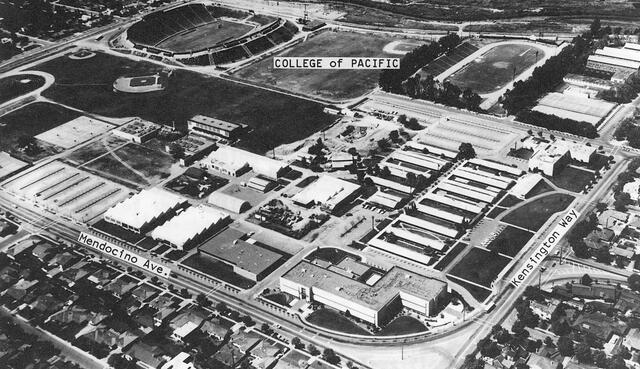
The origin of San Joaquin Delta College can be traced back nearly a century, when the College of the Pacific -- a private, Methodist college located in Stockton -- recommended the formation of a lower division program to admit high school students not fully qualified for regular Pacific admission. Thus was Stockton Junior College born in 1935.
The partnership between Pacific and the Stockton Board of Education was so successful that Pacific abandoned freshman and sophomore instruction in the spring of 1936, bequeathing all such instruction to the junior college. The two institutions shared facilities through World War II, when the junior college added another unique, although temporary, feature: running an aviation school in Nevada.
Stockton Junior College became Stockton College in 1948, with a total student body of just under 2,000. The physical change was even more evident, with classes being moved to a 43-acre site to the south of College of the Pacific's campus.
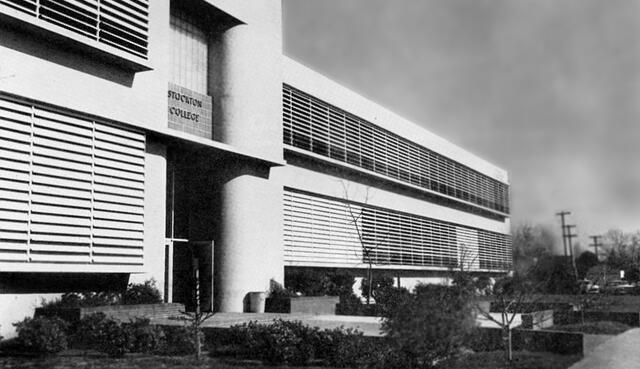
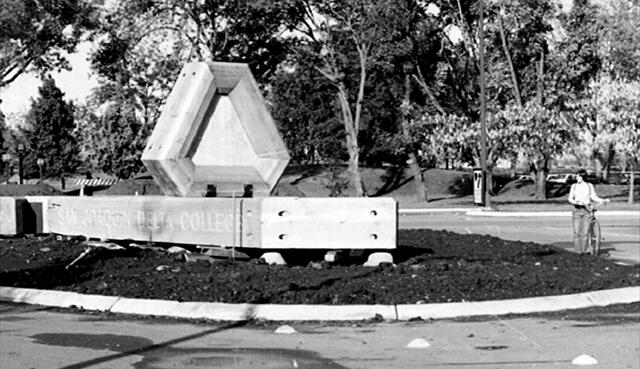
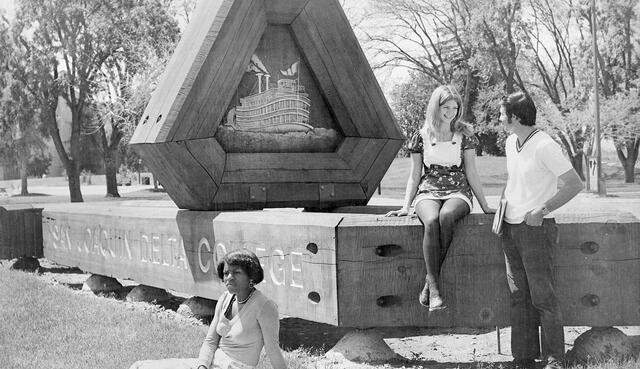
In the decade of the 1950s, the educational needs of the area became greater than the geographical focus of Stockton College. By the time the College legally separated from Stockton Unified School District in 1963, the newly renamed San Joaquin Delta College encompassed virtually all of San Joaquin County and portions of three other counties.
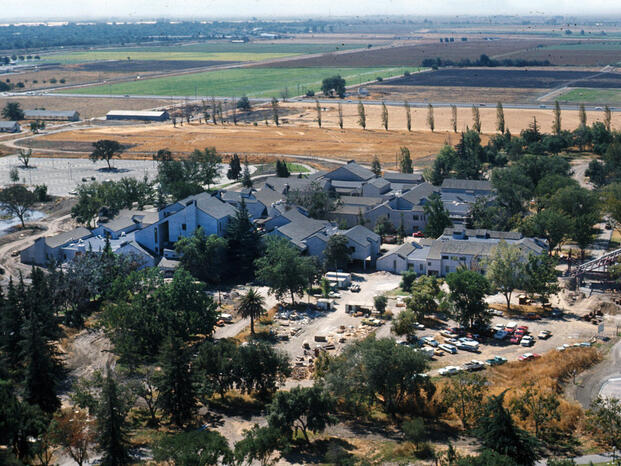
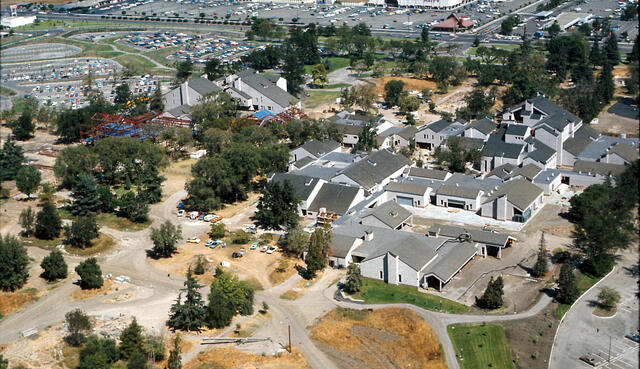
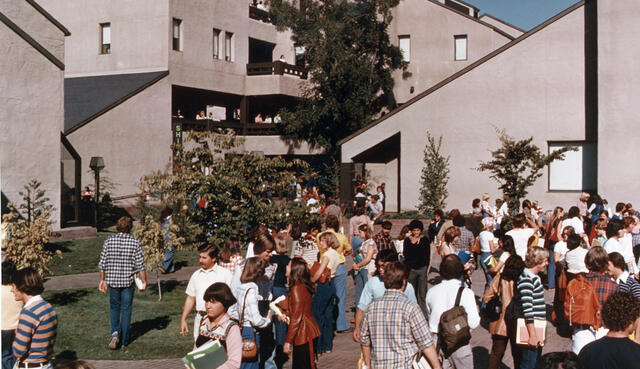
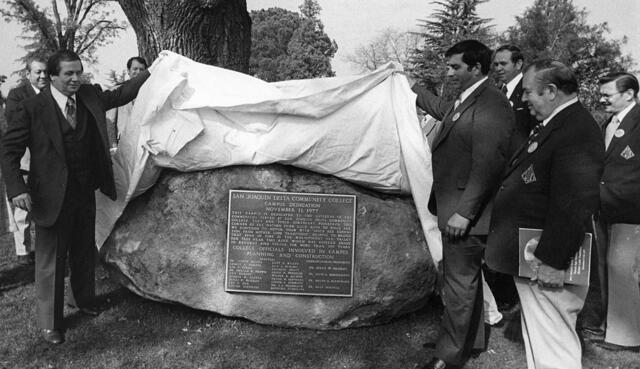
In 1968-69, a successful $19 million bond campaign provided funding for a portion of construction of a new $50 million campus. Over the next seven years, Delta's first permanent home would be built on Pacific Avenue.
With the addition of part of Calaveras County in the summer of 1976, Delta’s service area grew to 2,300 square miles, larger than the states of Delaware or Rhode Island.
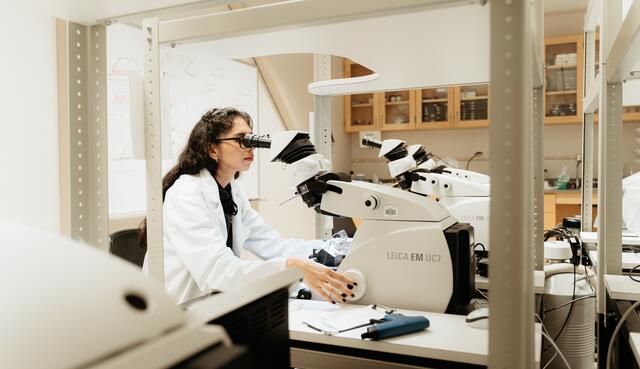
The next major initiative focused on facilities came in 2004 when voters passed a $250 million bond. Major improvements funded with the support of taxpayers include the DeRicco Student Services Building which consolidated student services functions into one convenient location, the new South Campus at Mountain House, the renovated Goleman Library, expansion of the diesel/heavy equipment shops and classrooms at Shima, and a state of the art Science and Math Building hosting labs, classrooms, and lecture halls. With state funding the College also built a facility to house its electron microscopy program, the only program of its kind at a community college in the United States.
The 2010s saw an increased focus on community partnerships, most notably as Delta and Stanislaus State launched the Warriors on the Way program giving Delta graduates an opportunity to earn a bachelor’s degree without ever leaving Stockton city limits. The College also began working more intently on meeting students’ basic needs, launching a Student Food Pantry in March 2019, followed by a health center, an on-campus laundry service, and additional services for foster youth, formerly incarcerated students, and more.

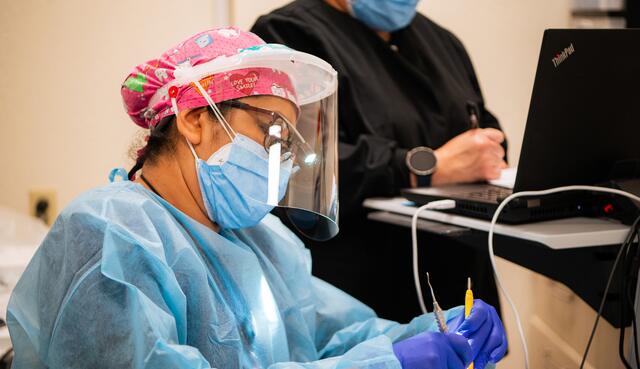
2020 brought worldwide upheaval with the COVID-19 pandemic, but through it all, Delta College never entirely closed. Although many classes were moved online to protect the health of students and employees, career technical education programs continued to meet in person – with special safety protocol in place -- to give students the training they needed to fill critical jobs in the community such as nurses and electricians.
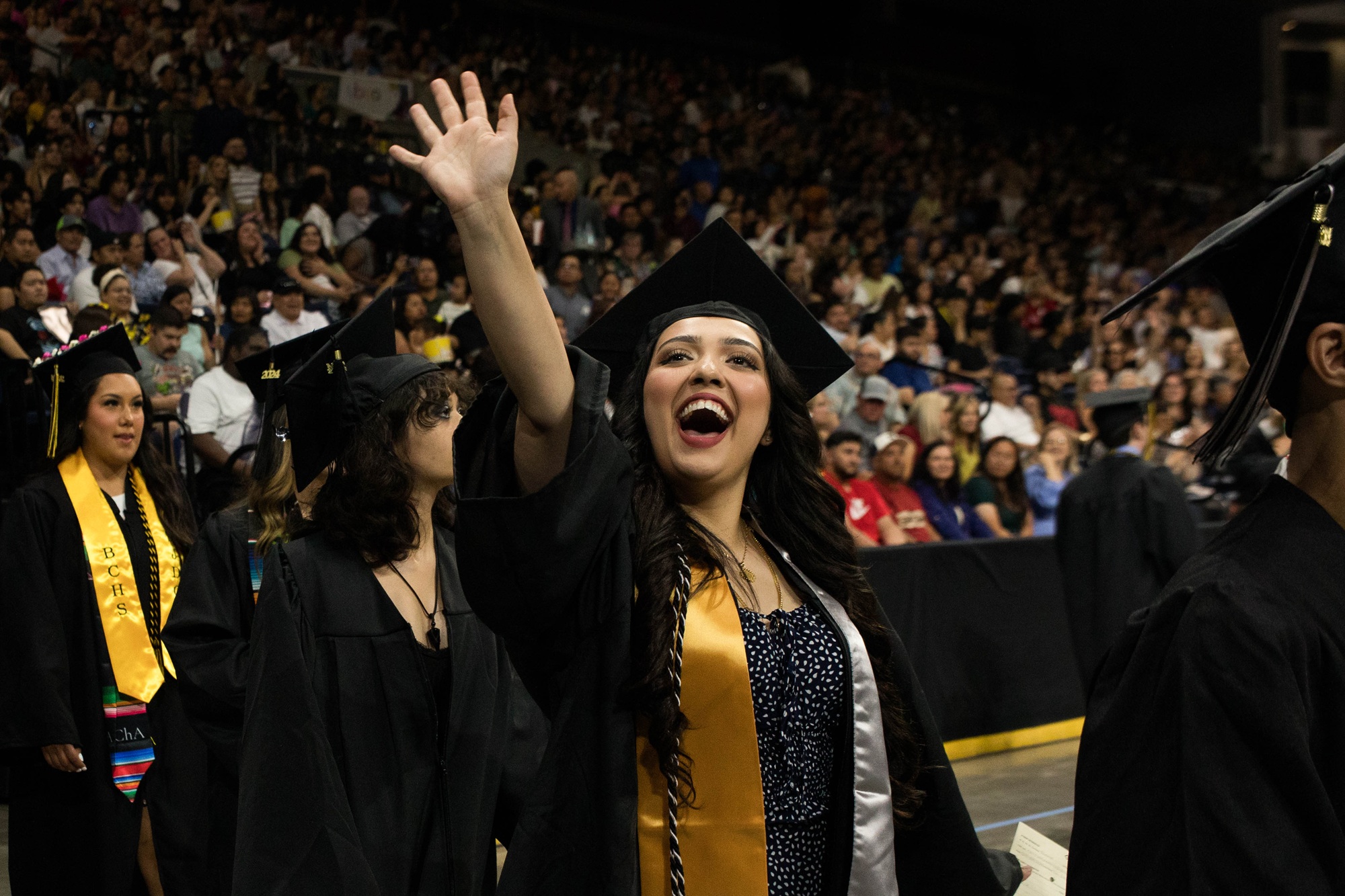
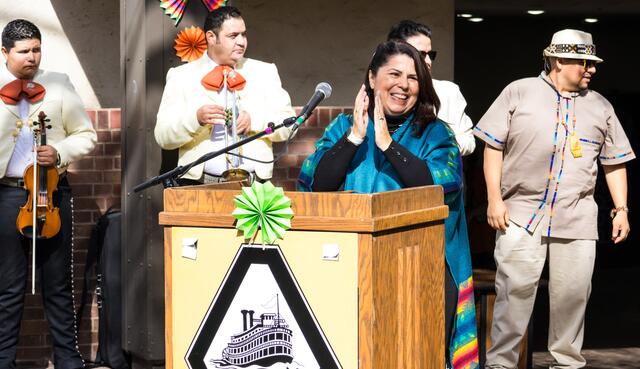
In September 2021, Dr. Lisa Aguilera Lawrenson became the first Latina to lead Delta College as superintendent/president. Under her leadership, the college is recovering from the steep enrollment decline experienced by many community colleges during the pandemic. Delta College has also rededicated itself to improving the overall student experience and to improving success rates for disproportionately impacted populations. In recognition of the importance of equity to Delta College, several key facilities have been renamed over the past several years, including the Dolores Huerta Plaza, the Tony Fitch Forum, the Campesino Forum, and the Dawn Mabalon Forum.
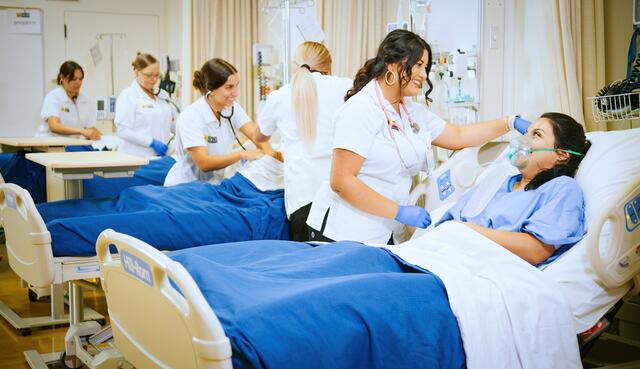
The expansion of community partnerships has continued into the 2020s, such as the HOPE Program aimed at training more nurses to fill local jobs. In total, Delta College trains more than 400 healthcare professionals each year, and the number of nursing graduates alone has nearly doubled since COVID.
Most recently, the College took a leap forward in 2024 when voters by a healthy margin approved Measure K, Delta’s first facilities bond measure in 20 years and only the second bond measure since the Stockton campus was built more than half a century ago. The new $598 million bond will allow for significant improvements across the entire District, and we continue to be grateful to voters for their generous support.
Although the College’s name, leadership, programs, and initiatives have evolved over the years, our commitment to the community remains the same: to lift up individuals and families, improve their quality of life, and enhance the prosperity of the entire region.